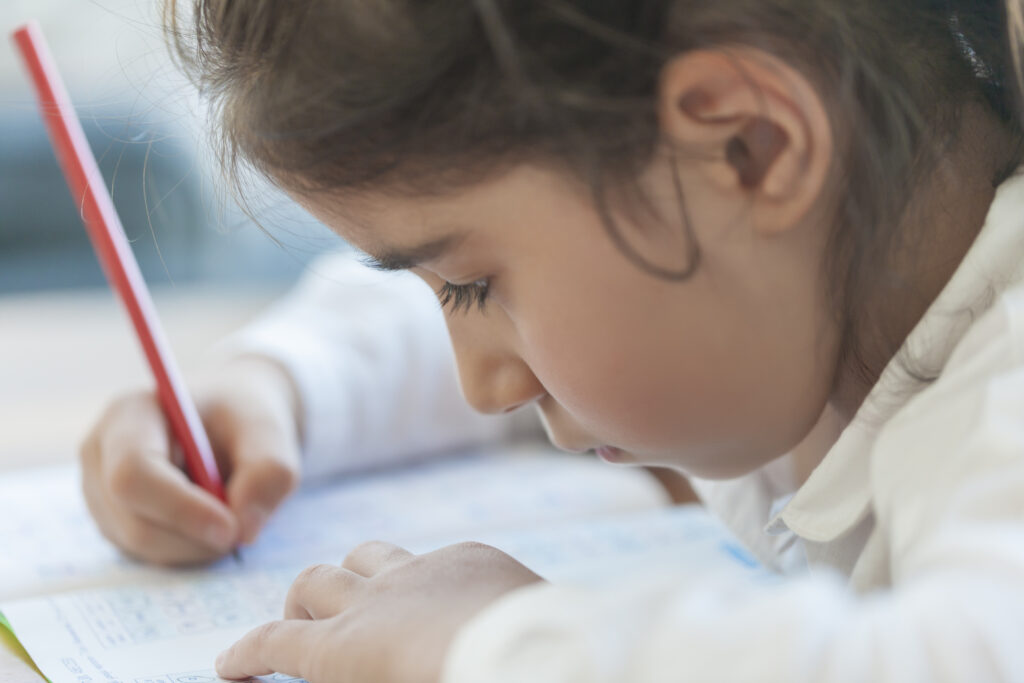
Dysgraphia is a neurological disorder characterized by problems with writing. In addition to handwriting difficulties, people with dysgraphia tend to use the wrong word for what they’re trying to communicate and may also have trouble with spelling as it is hard to form letters as they write. It doesn’t affect intelligence (although it is commonly found in people with learning difficulties) and is caused by difficulties with fine motor skills or planning sequential finger movements.
One of the main symptoms of dysgraphia is messy handwriting but there are also other signs:
• Struggling to write grammatically correct sentences
• Spacing letters correctly
• Writing in a straight line
• Writing complete words
• Writing very slowly
• Mixing upper and lowercase letters
Treatment for dysgraphia varies and may include treatment for motor disorders to help control writing movements. Occupational Therapists can help improve fine motor skills and physiotherapy can work on gross motor skills. Schools can put in place accommodations such as voice activated computer software or scribes to avoid the problems of handwriting. Trying various pencil grips and/or a slant board can also assist.
As a parent or carer you can help by providing your child with clay to strengthen hand muscles. Activities such as tracing letters with their index finger, copying letters from models and keeping lines within mazes to help develop pencil control are all beneficial.