Starting primary school is likely to be a child’s biggest transition to date and it can be a daunting process for all involved. If your child has already attended a structured nursery school, hopefully the step-up will not come as too much of a shock to them, but there are simple things that you can do in the lead up to starting school, to help prepare them.
Here are three tips of how you can support your child before starting reception
Encourage Independence
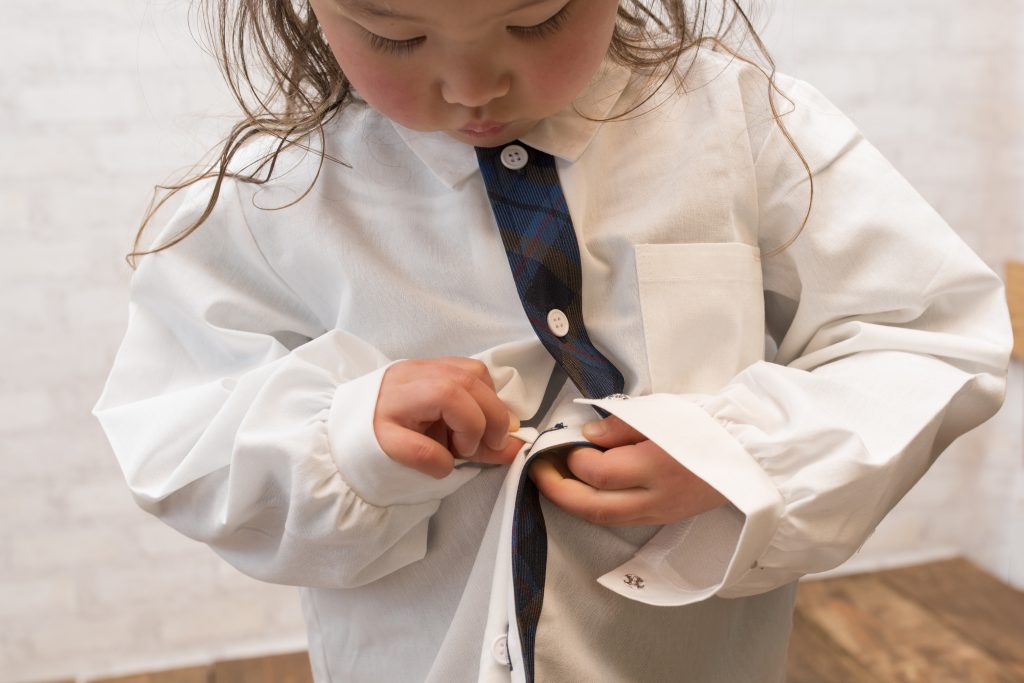
In reception there will be things that children are expected to do for themselves. Giving your child the confidence to feel that they are capable to carry out tasks on their own, will stand them in good stead for when you are not with them and they need to do things independently.
It can at times be easy to do things for our children, even if we know that they are able! Sometimes it can be quicker to help them put on their shoes or coat as we are walking out the door in a rush, but actually stopping and allowing your child time to do these simple self care tasks can make a huge difference, boosting their self-esteem too! In the days and weeks before school, try and allow enough time when leaving the house for your child to practise getting ready on their own, taking responsibility themselves.
With other aspects of general daily routines, involving your child as much as you can, letting them do things independently, or asking them to help you, can support young children to see that they can do what they put their mind to and that you trust them to do this.
Seeing that you have this trust in them and their abilities, can greatly increase their own self-belief, supporting them when they are at school and needing to carry out tasks independently. Some simple things to consider: Helping with food preparation, laying the table before dinner time, organising their toys or books, putting their own toothpaste on their toothbrush, combing their own hair, pouring their own milk into their cereal, emptying their plates after dinner.
Yes, initially you may end up with half the toothpaste in the sink (!) or forks instead of spoons when laying the table, but this is how children learn and it is important, especially before starting school, to allow children these opportunities.
Teach Your Child Ways To Make Friends
Forming friendships in primary school can be so important to help children develop social skills and a sense of security amongst peers. It is easy to assume that children naturally know how to make friends and often with very young children, this can be the case. They haven’t yet developed a sense of feeling self-conscious, so they may sit and play and chat with anyone and everyone! However, the older children get, the more they can feel embarrassed and shy around new faces.
Some children can make friends easily and within seconds of being in a new place have found a playmate and are happily running around! However, this isn’t the case for everyone and we can give our children some tips and tools to help make the process a little easier.
You may suggest to your child when out, or in a soft play, to go and play with other children and make some friends, but have you ever actually told them how?!
Giving some simple ideas, like “You could go up to that child and first of all ask them what their name is. Then tell them your name and perhaps ask if they would like to play?”
“Maybe you could ask them a question to get to know them – like what is your favourite colour? Or favourite game? Or favourite animal?”
These little ice breakers can teach a child the first steps in making friends. We often might take for granted that a child knows how to form friendships, but this isn’t always the case and sometimes a little extra help is all that is needed. Perhaps practise these conversation starters over the summer holidays, so that your child feels confident in using them before starting their new reception class.
Talk Openly About Feelings
The more we talk about feelings, the more children can understand them and acknowledge that feelings are OK and natural. If you think your child is feeling nervous about school, perhaps talk to them using that word and explain that most boys and girls starting school might be feeling a little nervous because it is new. Talking about where we feel these feelings in our body can be so helpful; e.g. Sometimes when people are nervous they feel it in their tummy. It may feel like butterflies flying around that feel a little strange! Bodily feelings can be quite scary for children when they do not understand them – they may not be able to associate their tummy feeling funny with the feeling of being nervous and it can be worrying for them not knowing why. Some children may even think that they are sick or unwell, when actually that is not the case. Normalising our feelings, whatever they are, is so important and it could be an idea to share with your children a time when you may have felt nervous too – maybe you had a big presentation at work, or had to go somewhere you hadn’t been before and it made you a bit worried. Perhaps tell them what you did to feel better. It is important for a child to know that grown ups also feel all different things, and everything we feel is OK and natural!